Using Analytics Data to Optimize Your Content Performance
A practical guide to using Google Analytics, Search Console, and other analytics tools to identify content opportunities, improve underperforming pages, and maximize ROI.

Advertisement
Key Takeaways
- Use Google Search Console performance reports to identify pages with high impressions but low click-through rates.
- Update stale content with fresh data, new sections, and updated references to reclaim lost keyword rankings.
- Analyze user behavior metrics like average engagement time to pinpoint where content fails to hold attention.
Data-driven content optimization transforms guesswork into informed decisions. By analyzing performance data, you can identify what works, what needs improvement, and where new opportunities exist.
Identifying Content Opportunities
Use keyword research and search analytics to find topics with high demand but limited quality content available. These gaps represent opportunities to create content that fills unmet user needs.
Analyzing Content Performance
Regular content audits help identify underperforming pages. Look for pages with declining traffic, high bounce rates, or low engagement. These pages may need updating, restructuring, or consolidation.
Content Refresh Strategy
Updating existing content can be more effective than creating new content. Refresh old posts with current information, improve formatting, add internal links, and update SEO metadata.
Measuring Content ROI
Connect content performance to business outcomes. Track conversions, revenue attribution, and customer acquisition costs alongside traditional metrics like traffic and rankings.
Conclusion
Data-driven content optimization maximizes the return on your content investment. Use analytics to guide your decisions, continuously test and refine, and focus resources on what delivers the best results.
High-Quality Content Optimization Checklist
- Verify Search Intent: Match content structure to target query type.
- E-E-A-T Assessment: Include original insights, author credentials, and fact-checked claims.
- Structured Heading Hierarchy: Use one H1, followed by H2 and H3 subsections.
- Anchor Text Relevance: Use descriptive, target-focused anchor text for internal links.
- Mobile Parity Check: Verify that mobile viewports render all key paragraphs and embeds.
Common Mistakes
- →Targeting Search Volume Over Intent: Creating high-volume informational pieces when the query has a commercial purchase intent leads to zero conversions.
- →Failing to Track Engagement Metrics: Focusing purely on organic sessions while ignoring average engagement time can hide the fact that content is thin or unhelpful.
- →Ignoring Content Decay: Publishing new posts while letting older, high-ranking pages decay without refreshes leads to a drop in overall domain visibility.
- →Publishing AI content without human editing: Raw AI output lacks personal experience and original expert points, violating search guidelines.
When This Does Not Apply
- →Breaking News Media: Real-time reporting blogs prioritizing publishing velocity do not need deep topic clusters, complex metadata, or historical updates.
- →Internal Strategy & Client Reporting: Confidential data analysis presentations or internal dashboard reports do not require public-facing metadata, indexing, or Schema markups.
Official References
Advertisement
Frequently Asked Questions
How do I identify low-hanging SEO opportunities?
Look for pages ranking on page two of search results (positions 11-20). Optimizing their on-page SEO, internal links, and CTR can easily push them to page one.
How do I optimize a page with declining organic traffic?
Conduct a content audit, compare it with top-ranking competitors, add fresh information, update outdated links, and optimize headings to better match current search intent.
What tools are best for content optimization?
Google Search Console, Google Analytics 4, Hotjar for user behavior, and SEO optimization platforms like Clearscope, Semrush, or Ahrefs.

Full-Stack Developer & Web Architecture Engineer
Liam O'Brien is a Full-Stack Developer with 8+ years of experience building high-performance web applications. He specializes in Next.js, React, and Node.js, with a deep focus on web architecture, performance optimization, and technical SEO. Liam has architected front-end systems for e-commerce platforms handling 10 million+ monthly visitors and has contributed to major open-source projects including Next.js core and React documentation. He is passionate about server-side rendering, edge computing, and building scalable web applications that deliver exceptional user experiences. Liam writes about modern JavaScript frameworks, performance patterns, web vitals optimization, and building for search engine crawlers. He believes that great engineering and great SEO go hand in hand.
Comments are temporarily unavailable.
Stay Updated
Get the latest articles and SEO insights delivered to your inbox.
No spam. Unsubscribe anytime.
Related Articles
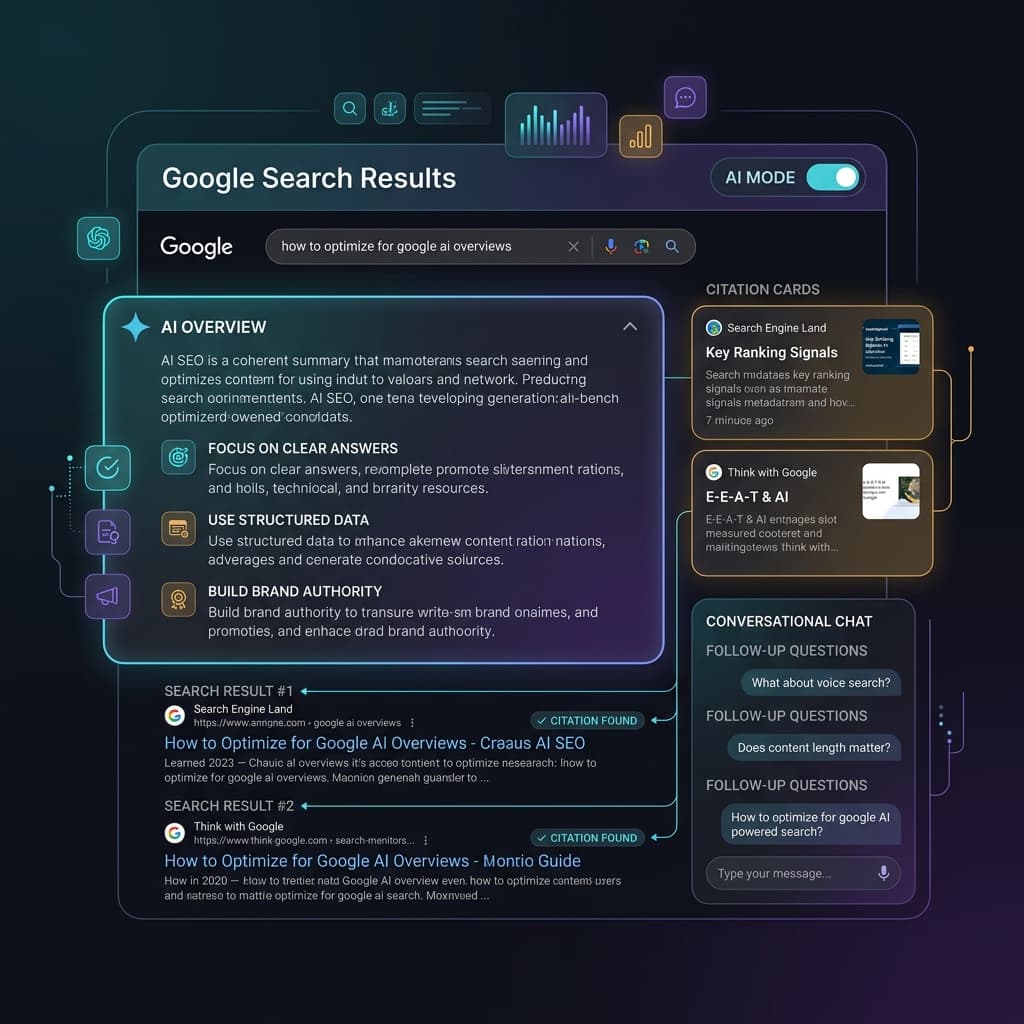
Google AI Overviews and AI Mode SEO: A Practical Visibility Framework (2026)
An in-depth guide to achieving high visibility in Google AI Overviews and AI Mode conversational search. Learn the RAG pipeline, key ranking factors, E-E-A-T requirements, and structured data optimization.

AI SEO Content Writing: Guide to Quality & Google E-E-A-T (2026)
How to use AI content writing tools (ChatGPT, Claude) for SEO without violating Google Helpful Content guidelines or losing E-E-A-T trust factors.

Measuring Content Marketing ROI: Metrics That Matter
Learn how to measure content marketing ROI with the right metrics, attribution models, and reporting frameworks that connect content to revenue.
Advertisement